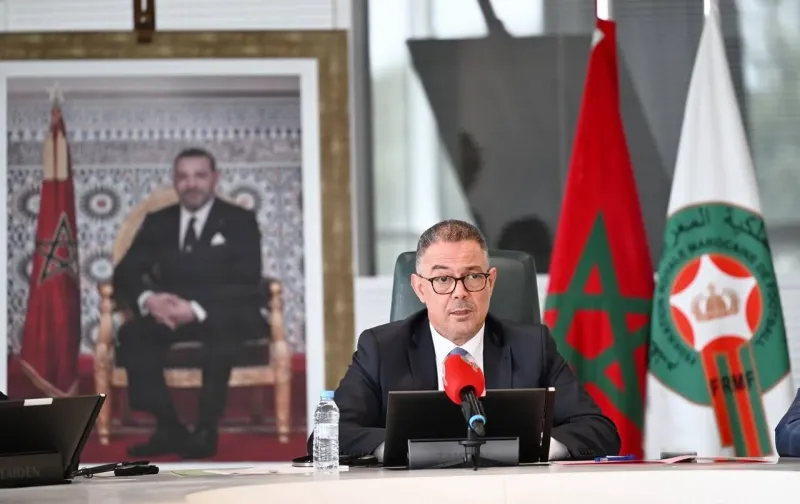
Fouzi Lekjaa, Morocco's Minister Delegate for the Budget and a key figure in the country's 2030 World Cup bid, has described the tournament as a strategic project for the nation. In recent statements, he highlighted that hosting the event, jointly with Spain and Portugal, will drive significant infrastructure development and economic growth.
Lekjaa emphasized that the World Cup is not just a sporting event but a catalyst for modernization. Morocco plans to invest in new stadiums, transport networks, and tourism facilities, aiming to create jobs and boost long-term economic diversification. The bid, officially submitted to FIFA, includes six Moroccan cities as potential host venues.
The 2030 World Cup will mark the first time the tournament is held across two continents (Africa and Europe) and will be the centenary edition of the competition. Morocco's involvement is seen as a historic opportunity for African football, following the success of the 2022 Qatar World Cup.
Lekjaa also noted that the project aligns with Morocco's broader development strategy, including the National Plan for Infrastructure and the 2030 National Strategy for Sustainable Development. The government expects the World Cup to attract foreign investment and enhance Morocco's global image.