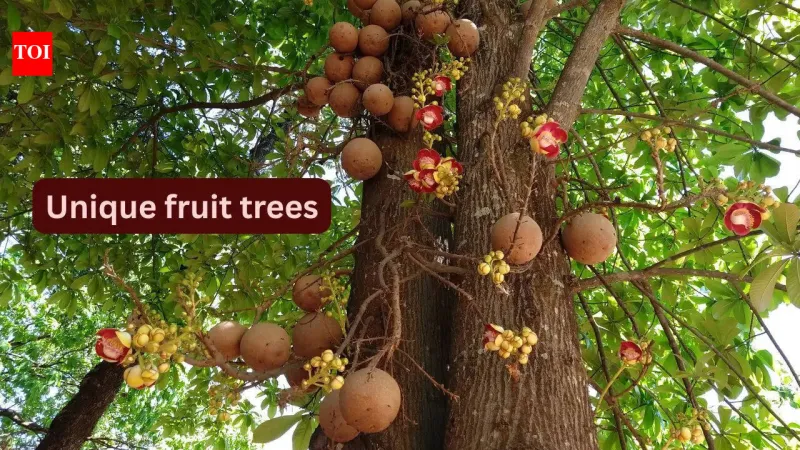
Botanical travel is a growing trend where travelers seek unique trees and rare fruits. Here are 10 unique fruit trees verified through web searches:
1. Snake fruit (Salak) - Found in Indonesia, particularly Bali and Java. The fruit has scaly brown skin and a sweet, tangy taste.
2. Jabuticaba - Native to Brazil, this tree produces purple fruits directly on the trunk. It is commonly found in Minas Gerais and São Paulo states.
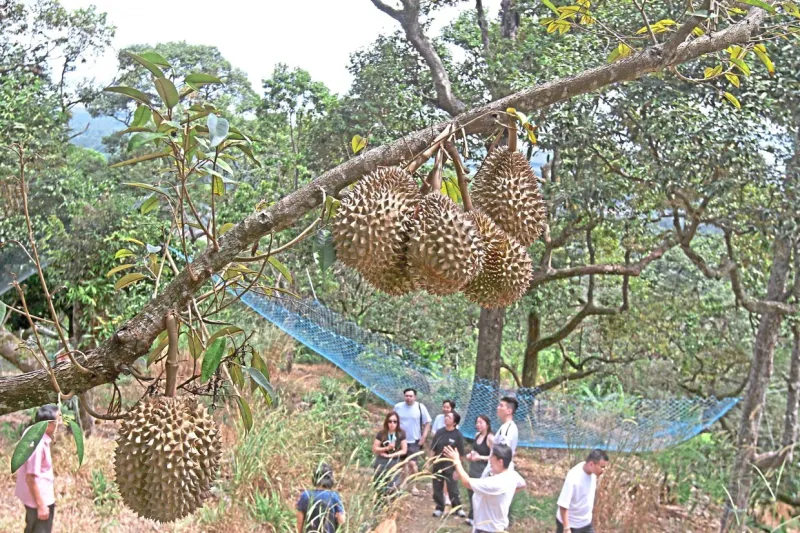
3. Durian - Known as the 'king of fruits,' native to Southeast Asia, especially Malaysia and Thailand. Its strong odor is controversial.
4. Breadfruit - Originating from the South Pacific, now grown in the Caribbean and parts of Africa. The fruit is starchy and used as a vegetable.
5. Rambutan - Hairy red fruit from Southeast Asia, particularly Thailand and Vietnam. The flesh is sweet and juicy.
6. Mangosteen - Purple fruit with white segments, native to Indonesia and Malaysia. Often called the 'queen of fruits.'
7. Ackee - Native to West Africa but widely grown in Jamaica. The fruit is toxic if unripe but edible when cooked.
8. Buddha's hand - A fragrant citrus fruit from China and Japan, used for zest and perfumes.
9. Cherimoya - Native to the Andes of Peru and Ecuador, with creamy flesh tasting like a mix of banana and pineapple.
10. Cupuaçu - Related to cacao, found in the Amazon rainforest of Brazil. The fruit is used in juices and desserts.
Travelers can find these trees in botanical gardens, local markets, and orchards in their native regions. Always verify local seasons and availability.