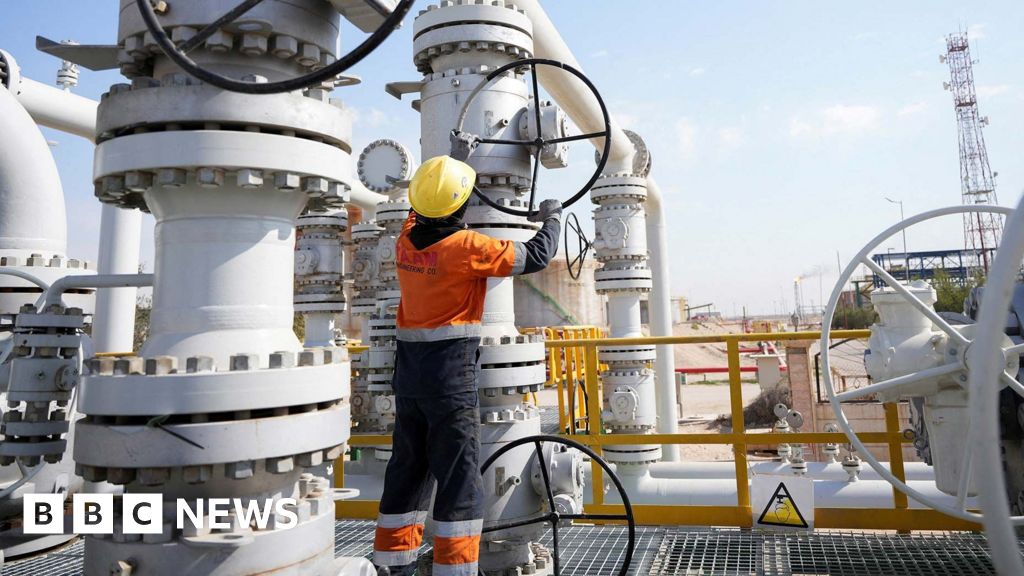
Global oil markets are experiencing unprecedented volatility as the ongoing Iran crisis pushes crude prices to levels not seen in years. Trading data shows oil futures have climbed over 35% since the conflict began, with Brent crude now hovering around levels that threaten to reshape global economic forecasts.
The dramatic price surge stems from multiple factors converging simultaneously. Targeted airstrikes on critical energy infrastructure have disrupted regional production capacity, while attacks on commercial shipping vessels have created widespread uncertainty about supply chain stability. Most significantly, the effective closure of the Strait of Hormuz - through which approximately 20% of global oil passes daily - has sent shockwaves through international markets.
Energy analysts warn that the current trajectory could have far-reaching consequences beyond fuel costs. Industries ranging from aviation to manufacturing are already adjusting operational budgets, while central banks monitor inflation indicators closely. The ripple effects are expected to impact consumer prices across multiple sectors in the coming weeks.
Market experts remain divided on whether current price levels represent a temporary spike or signal a longer-term shift in energy economics. While some traders anticipate stabilization once diplomatic solutions emerge, others point to fundamental supply constraints that could persist regardless of conflict resolution.