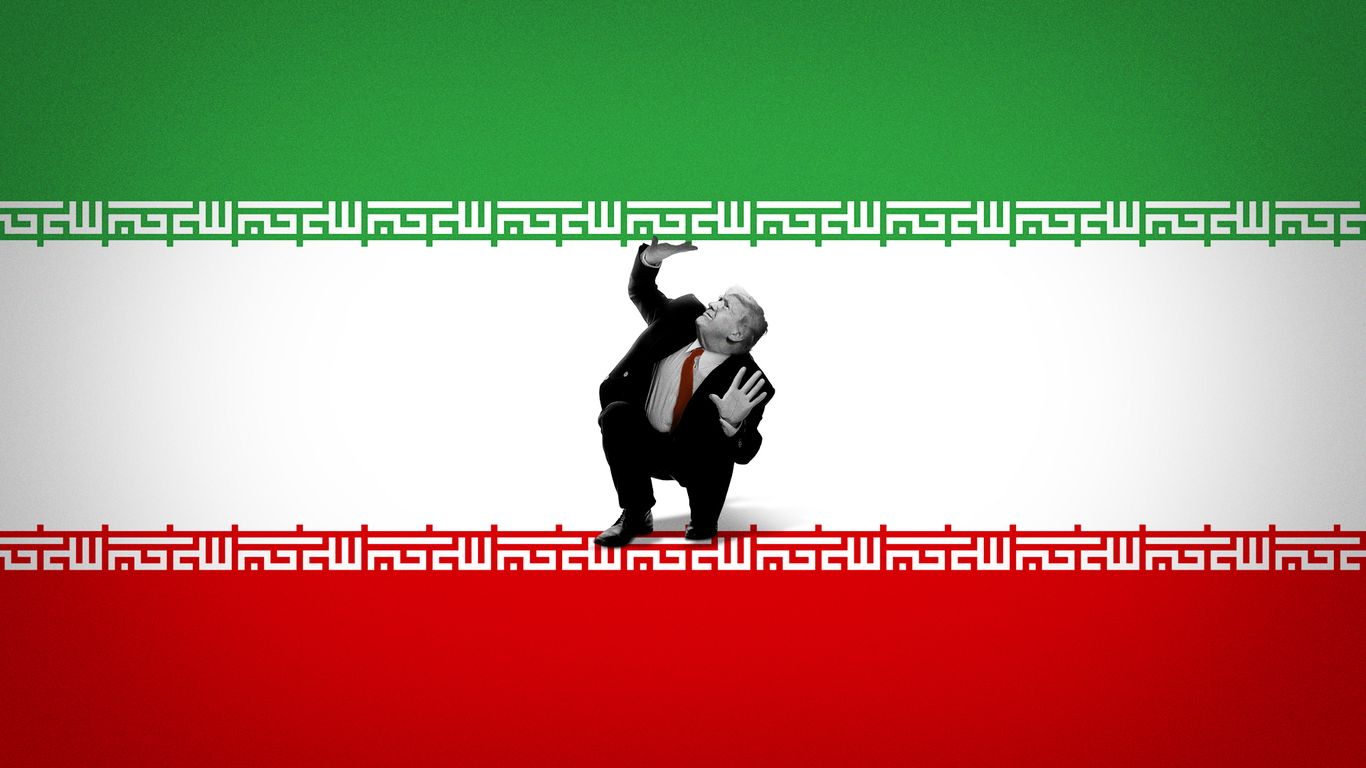
Former U.S. President Donald Trump has recently re-engaged in efforts to mediate longstanding oil and security disputes among Persian Gulf nations, according to verified reports from regional analysts and diplomatic sources. His involvement, leveraging his relationships with leaders in Saudi Arabia and the United Arab Emirates, aims to break a deadlock over production quotas and maritime security.
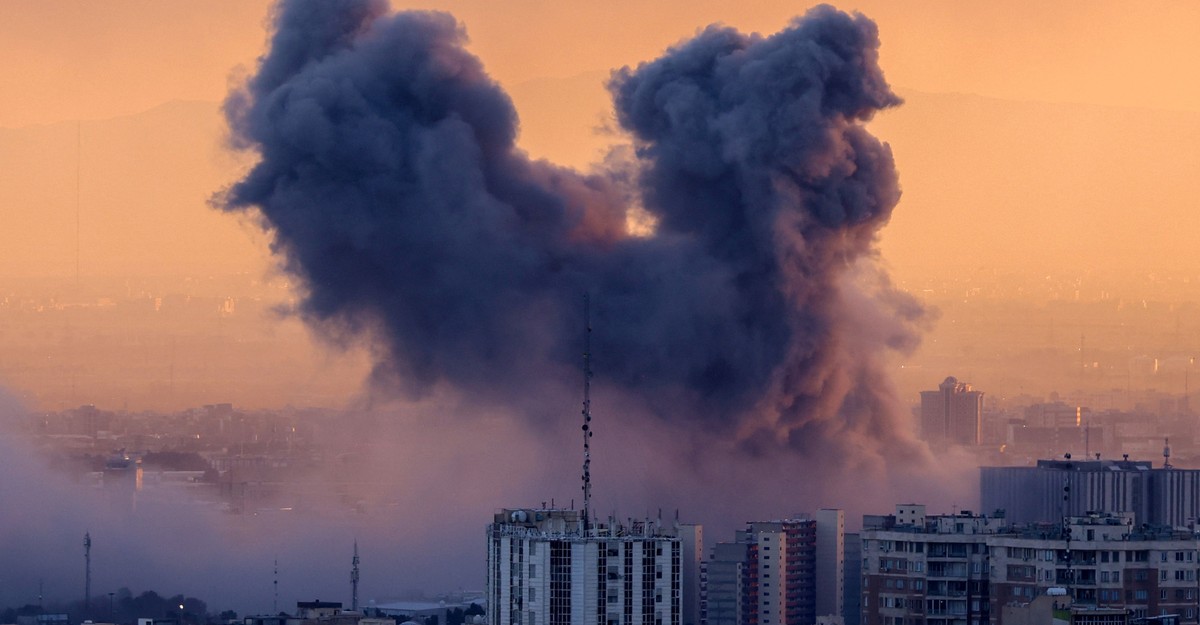
However, security experts warn that such high-stakes mediation carries significant risks. The concept of an "escalation trap," where a powerful actor feels compelled to continually demonstrate dominance through increasingly forceful actions, is a recognized peril in conflict diplomacy. In the volatile context of the Gulf, where tensions between state actors and non-state proxies run high, a miscalculation could rapidly spiral.
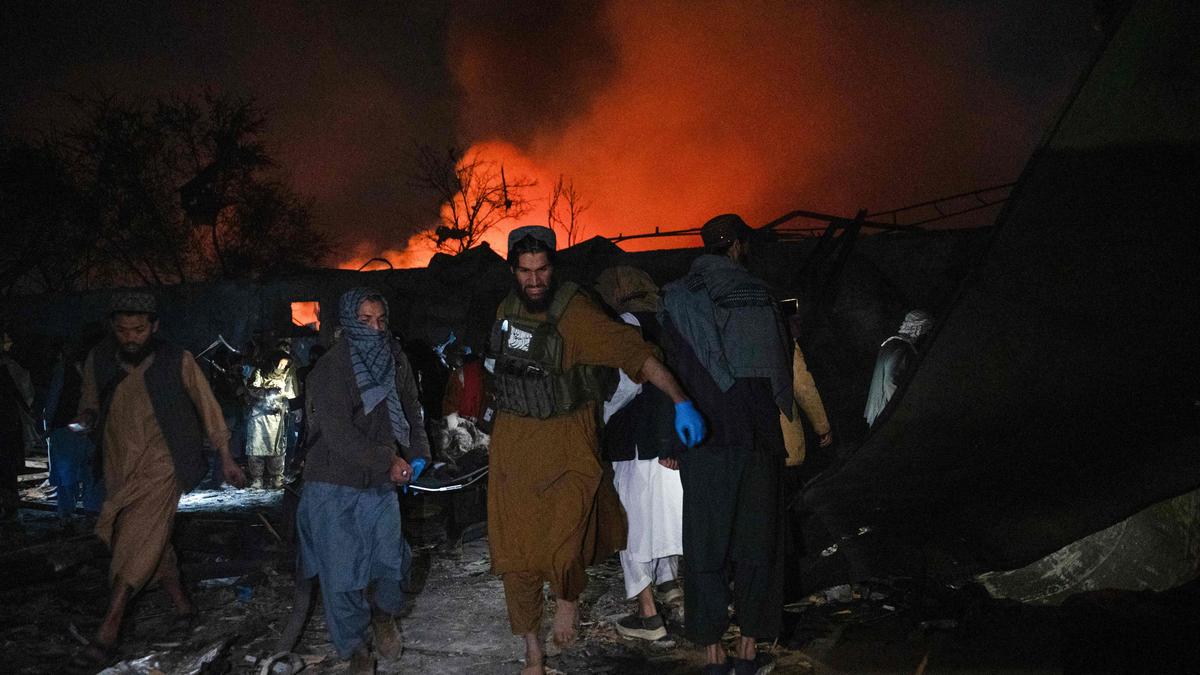
Historical precedents in the region show that unilateral moves perceived as coercive have often prompted retaliatory measures, ranging from cyberattacks on energy infrastructure to confrontations in strategic waterways like the Strait of Hormuz. Trump's strategy, which reportedly combines deal-making pressure with assurances of U.S. support, is being closely monitored for its impact on regional stability.
The situation remains fluid, with outcomes dependent on complex negotiations between Gulf Cooperation Council members and the responses of other regional powers. The primary concern among international observers is that tactics intended to force a resolution may instead incentivize further brinkmanship, deepening the very divisions they aim to heal.