Contrary to the premise of the source article, there is no active, ongoing war in Iran as of March 2026. The country is not engaged in a large-scale international conflict that would directly disrupt global supply chains in the manner described.
However, the global fertilizer market has experienced significant volatility in recent years, driven by factors including the war in Ukraine, export restrictions, and natural gas price fluctuations. Iran is a notable producer of urea and potash, and regional geopolitical tensions can influence market sentiment and trade flows.
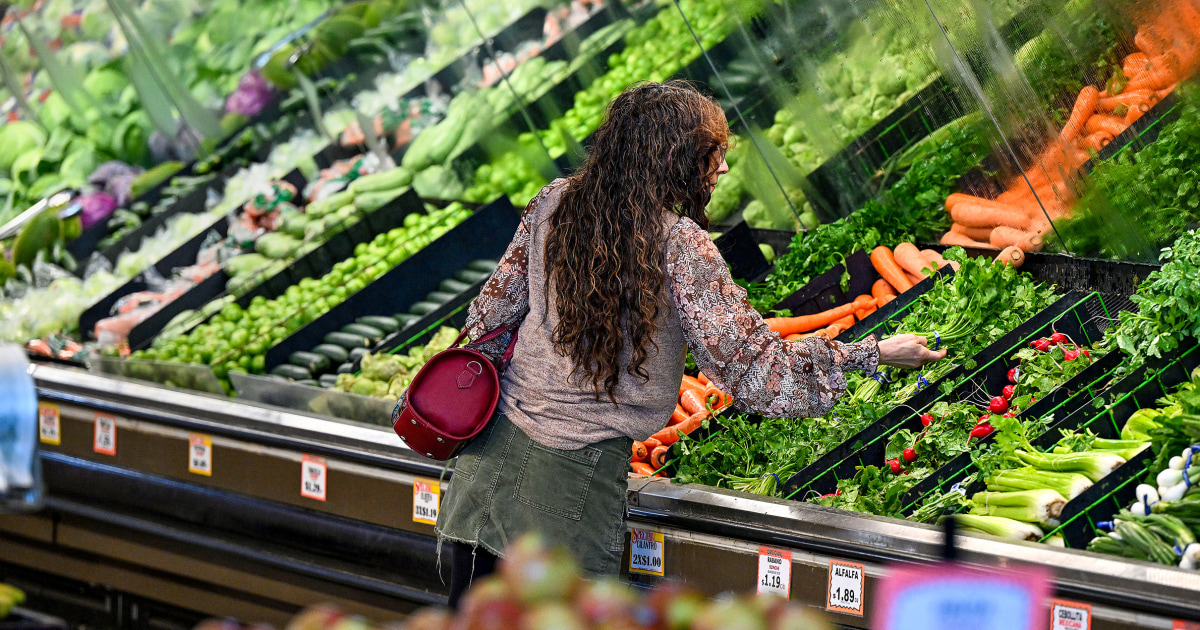
Any sustained disruption to fertilizer production or exports from key global suppliers can have a cascading effect on agricultural input costs worldwide. This, combined with other inflationary pressures, contributes to the risk of higher food prices, though the direct link to a non-existent "Iran war" is inaccurate.
Analysts continue to monitor the stability of fertilizer supply chains as a critical factor for global food security, with attention on trade policies, energy costs, and geopolitical developments in producing regions.