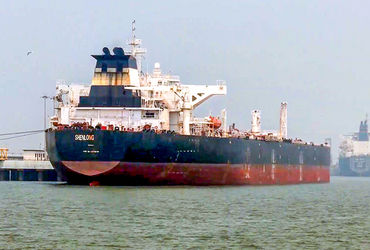
Iran has significantly tightened its control over the strategic Strait of Hormuz, announcing a new directive that requires all vessels transiting the vital waterway to coordinate with the Iranian Navy. The Foreign Ministry's latest order specifically targets oil and gas tankers, emphasizing mandatory naval coordination for passage through this critical maritime route.
The Strait of Hormuz serves as one of the world's most important oil chokepoints, with approximately 30% of global crude oil shipments passing through its narrow waters. This latest move by Iran comes amid escalating tensions in the Middle East, raising concerns about potential disruptions to international energy supplies and maritime trade.
The Iranian directive represents a bold assertion of sovereignty over the waterway, which connects the Persian Gulf with the Arabian Sea. Shipping companies and international maritime authorities are now assessing the implications of this requirement, as non-compliance could potentially lead to vessel seizures or other enforcement actions by Iranian forces.
This development adds another layer of complexity to an already volatile regional situation, with global energy markets closely monitoring any changes that could affect the free flow of oil and gas through this crucial maritime corridor. The international community is expected to respond to Iran's announcement in the coming days.