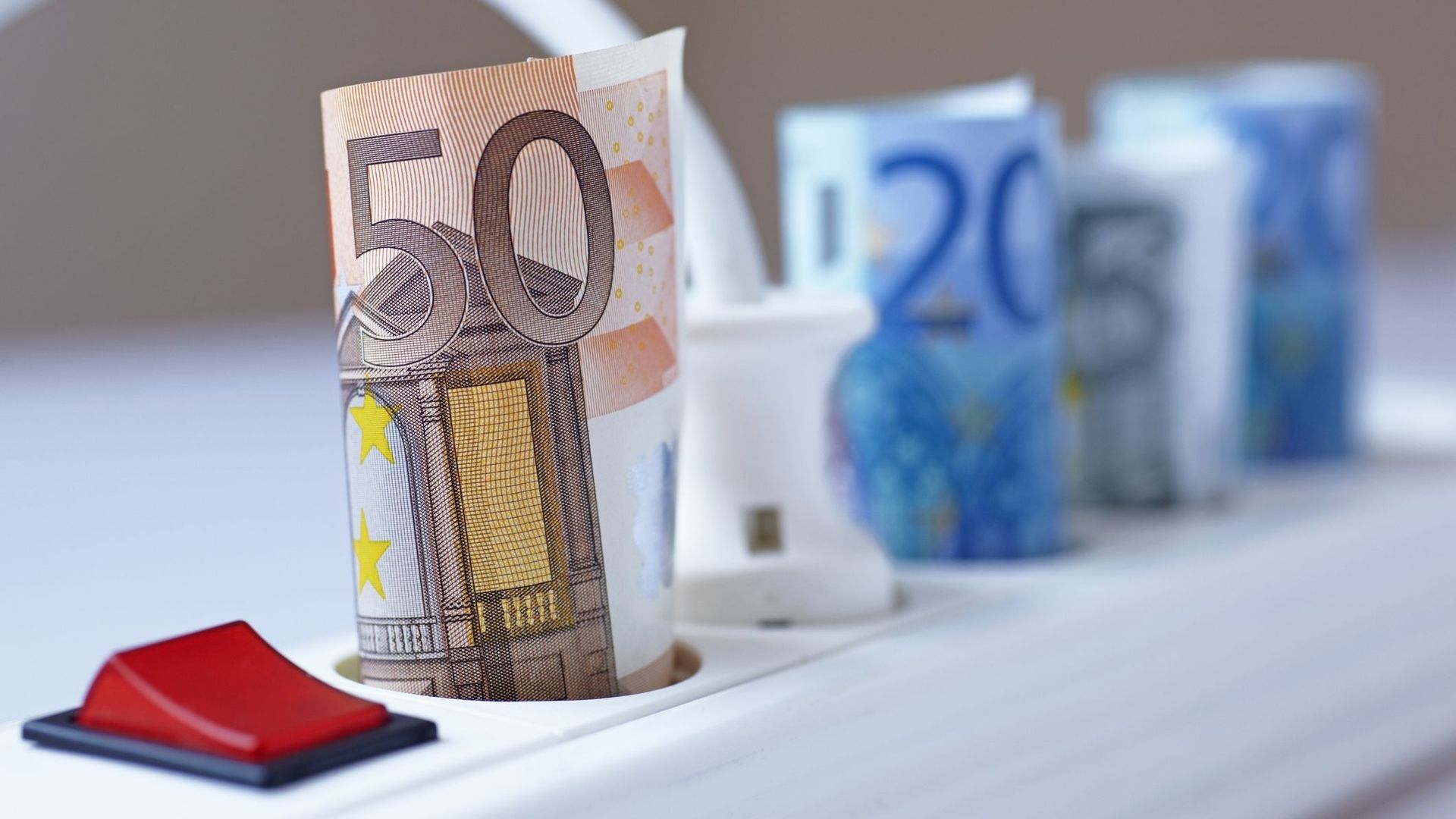
Several energy suppliers in markets like the UK and parts of Europe have introduced tariffs that offer periods of 'free' electricity, typically during times of high renewable energy generation or low overall demand. These schemes, often branded as 'happy hours' or 'free power hours,' are designed to incentivize consumption when the grid has excess supply, helping to balance the network.
Verified offers, such as those from UK-based supplier Octopus Energy's 'Cosy' or 'Agile' tariffs, can provide free electricity for specific one-hour slots, often on weekends. However, these periods are not guaranteed daily and are subject to grid conditions. The savings for a typical household are limited, as the free power usually applies only to a single hour, offsetting a small portion of the weekly bill.
Energy analysts caution that while these tariffs can promote grid flexibility, consumers should compare the overall unit rates and standing charges, as a slightly higher rate during paid hours could negate the benefit of a short free period. The actual savings depend heavily on a household's ability to shift high-energy activities, like running washing machines or charging electric vehicles, to these specific windows.
Regulators note that such innovative tariffs are part of a broader move toward time-of-use pricing to manage demand. For most consumers, the financial impact is likely to be modest, emphasizing the need to read the full tariff terms rather than focus on the marketing of 'free' hours.


