A concerning avian flu outbreak that began at Año Nuevo State Park earlier this month has expanded its reach, now affecting wildlife populations at multiple Bay Area coastal locations. Researchers are closely monitoring the situation as the highly pathogenic strain shows signs of cross-species transmission beyond its initial bird populations.
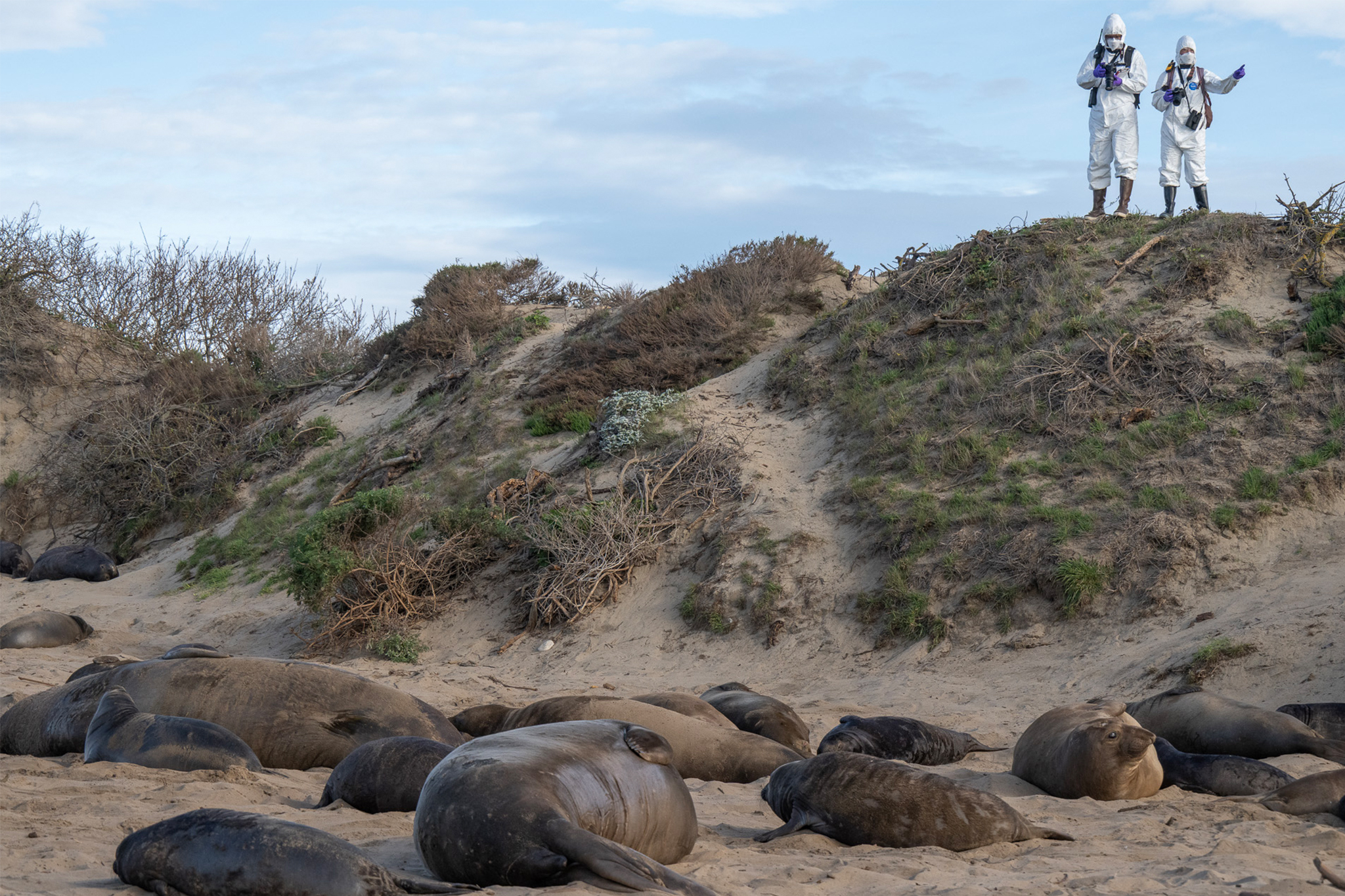
Field researchers at the state park have been collecting critical observational data, particularly focusing on individually flipper-tagged northern elephant seals and documenting their symptoms. The meticulous tracking system has proven invaluable in understanding how the virus spreads and affects different marine mammal populations in the region.
Wildlife health officials are implementing enhanced surveillance protocols at affected beaches while working to contain the outbreak's expansion. The situation highlights the interconnected nature of coastal ecosystems and the potential for rapid disease transmission among diverse wildlife populations.
Authorities are advising the public to maintain safe distances from all marine wildlife and report any sick or dead animals to local wildlife agencies. The ongoing monitoring efforts aim to prevent further spread while protecting both wildlife populations and public health in the Bay Area.