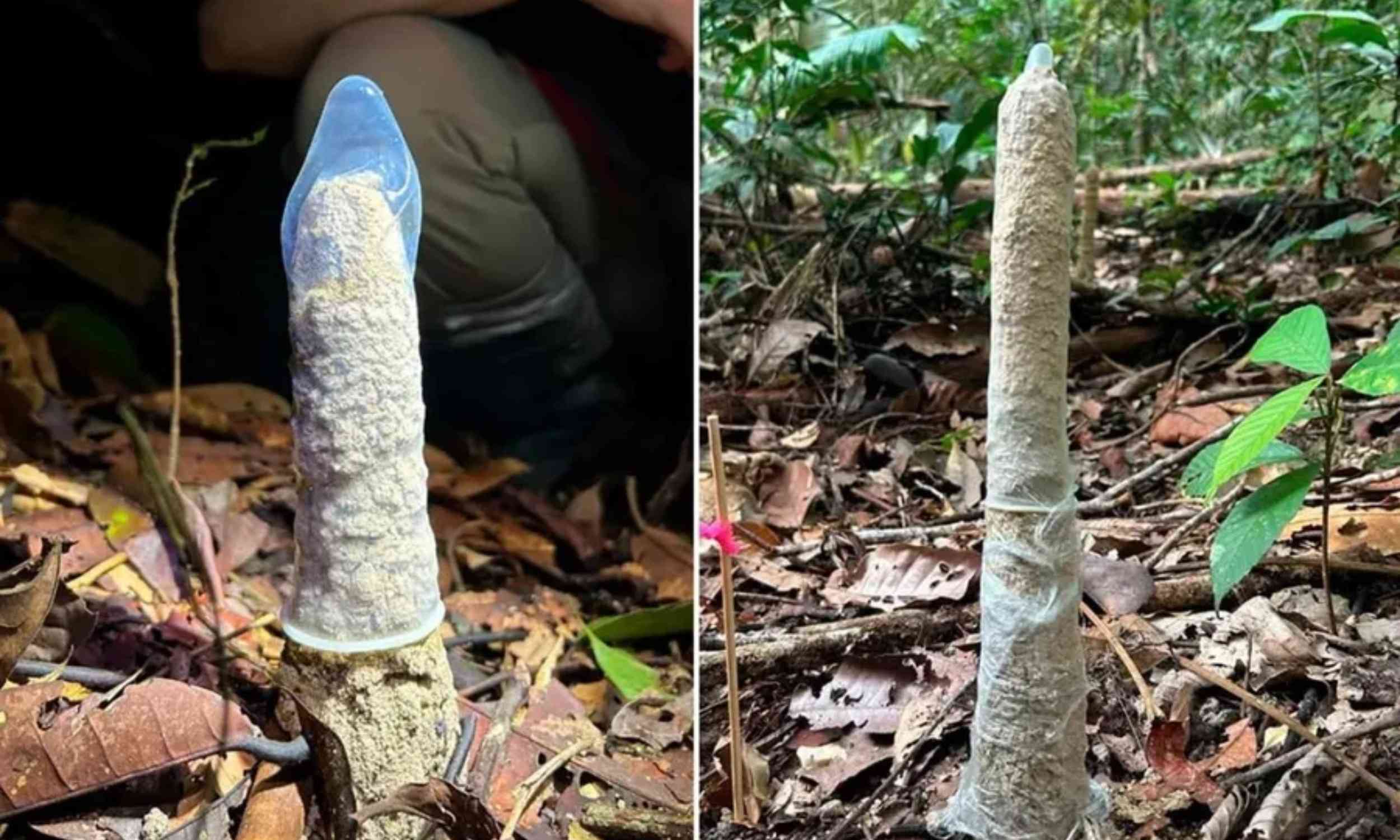
Scientists have verified the function of mysterious clay towers built by Amazonian cicada nymphs, resolving a long-standing entomological puzzle. A study published in the journal Ecological Entomology confirms these structures, constructed by young cicadas of the genus Carineta, serve as protective barriers against predators like ants and spiders during their vulnerable final developmental stage underground.
The research, led by Dr. Allen Sanborn and colleagues, involved field observations and experimental manipulation of the towers in Peru. The team found the hollow clay chimneys, which can extend several centimeters above the soil, are not merely waste piles but are actively maintained by the nymphs. The structures create a physical obstacle for small predators attempting to access the nymph's subterranean chamber.
Furthermore, the study provides evidence supporting a secondary hypothesis: the towers facilitate gas exchange. The porous clay construction appears to help regulate airflow and moisture levels around the nymph, which is critical during the weeks before its final molt into a winged adult. This dual purpose of defense and microclimate regulation had been suspected but not rigorously tested until now.
The discovery highlights a sophisticated example of insect architecture and niche construction in the Amazon rainforest ecosystem. Understanding these behaviors contributes to broader knowledge of insect life cycles and their adaptations for survival in tropical environments.