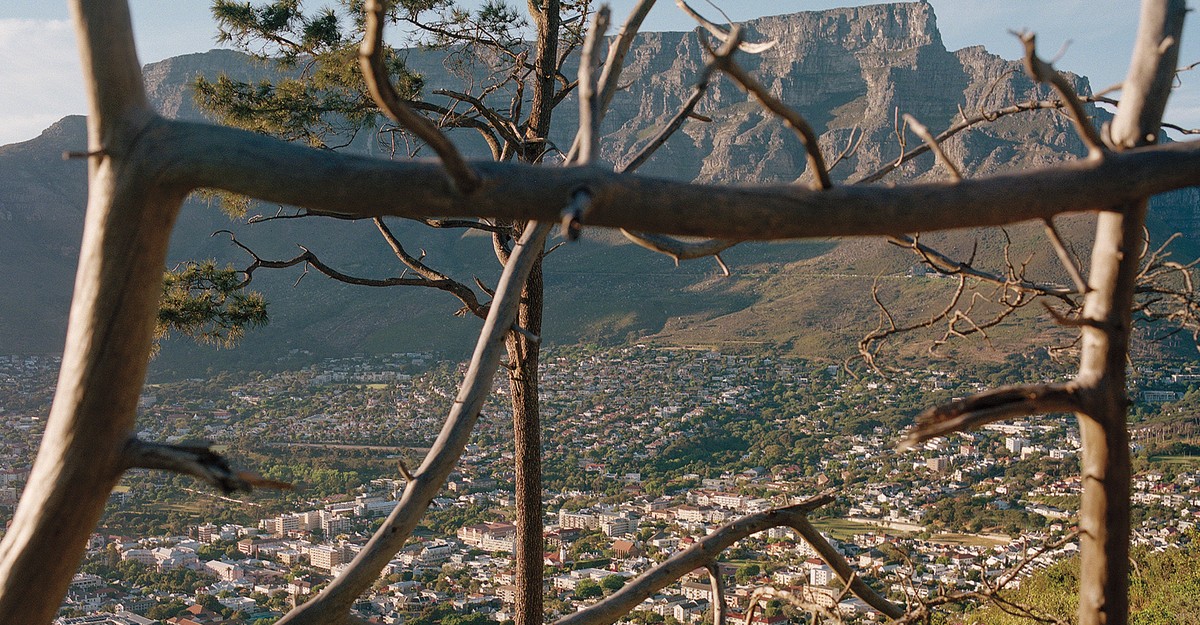
The physical presence of Nobel laureate author J.M. Coetzee has long departed Cape Town, but the city's complex relationship with his work remains a defining feature of its literary landscape. Coetzee, who was awarded the Nobel Prize in Literature in 2003, left South Africa for Australia in 2002 and became an Australian citizen in 2006. His novels, including "Disgrace" and "Waiting for the Barbarians," are profoundly shaped by the South African context, often exploring themes of apartheid, colonialism, and moral ambiguity.
Today, Cape Town continues to be a vibrant hub for writers who grapple with the nation's past and present, a tradition Coetzee helped cement. Literary tours often point to locations evocative of his settings, though the author himself maintains a characteristically private life abroad. His departure coincided with a period of significant social and political transition in South Africa, making his earlier critiques of power and complicity enduring reference points for contemporary discourse.
The city's universities and cultural institutions frequently engage with Coetzee's legacy, analyzing his unflinching portrayal of a society in turmoil. While he no longer resides there, Cape Town is inextricably linked to his literary imagination, serving as both a real place and a metaphorical space for the ethical conflicts central to his Nobel-recognized body of work. The conversation about place, identity, and authorship he initiated continues with new generations of South African writers.


