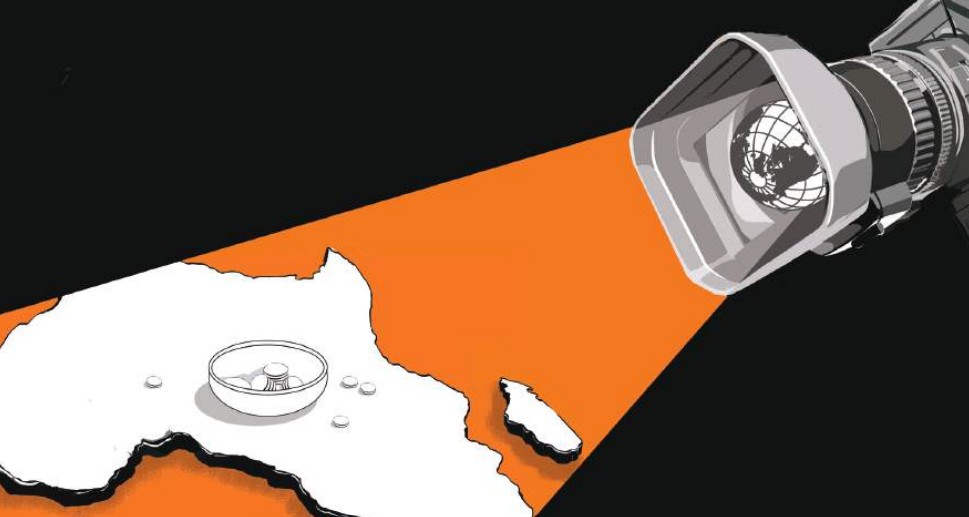
A persistent critique of Western media coverage of Africa is its alleged tendency to frame the continent through narratives of crisis, conflict, and helplessness. Analysts and scholars have long argued that this approach overshadows stories of agency, innovation, and complex socio-political dynamics within African nations.
Research, including studies from institutions like the University of Oxford's Reuters Institute, has documented patterns of reporting that can reduce diverse countries to single stories of poverty or disaster. This framing is often criticized for shaping international perceptions and policy in reductive ways.
In response, a growing number of African journalists, filmmakers, and digital platforms are creating content that challenges these narratives. They emphasize nuanced, ground-up reporting that reflects the continent's multifaceted realities beyond stereotypical tropes.
The debate centers on media representation and its power to influence global understanding. While international reporting on humanitarian issues remains vital, critics call for more equitable storytelling that avoids perpetuating outdated or simplistic stereotypes.

